
Small CBD seed businesses rely heavily on stable indoor environments to protect delicate crops and maintain consistent quality during every growth stage. HVAC systems play a central role in regulating temperature, humidity, and airflow, yet these setups often face unique stresses from continuous operation and specialized filtration demands. When breakdowns occur, they can disrupt entire production cycles, leading to lost inventory and delayed shipments. Drawing from extensive field experience across hundreds of similar facilities, effective repair strategies focus on rapid diagnosis, targeted component replacement, and long-term system resilience.
What Usually Breaks First
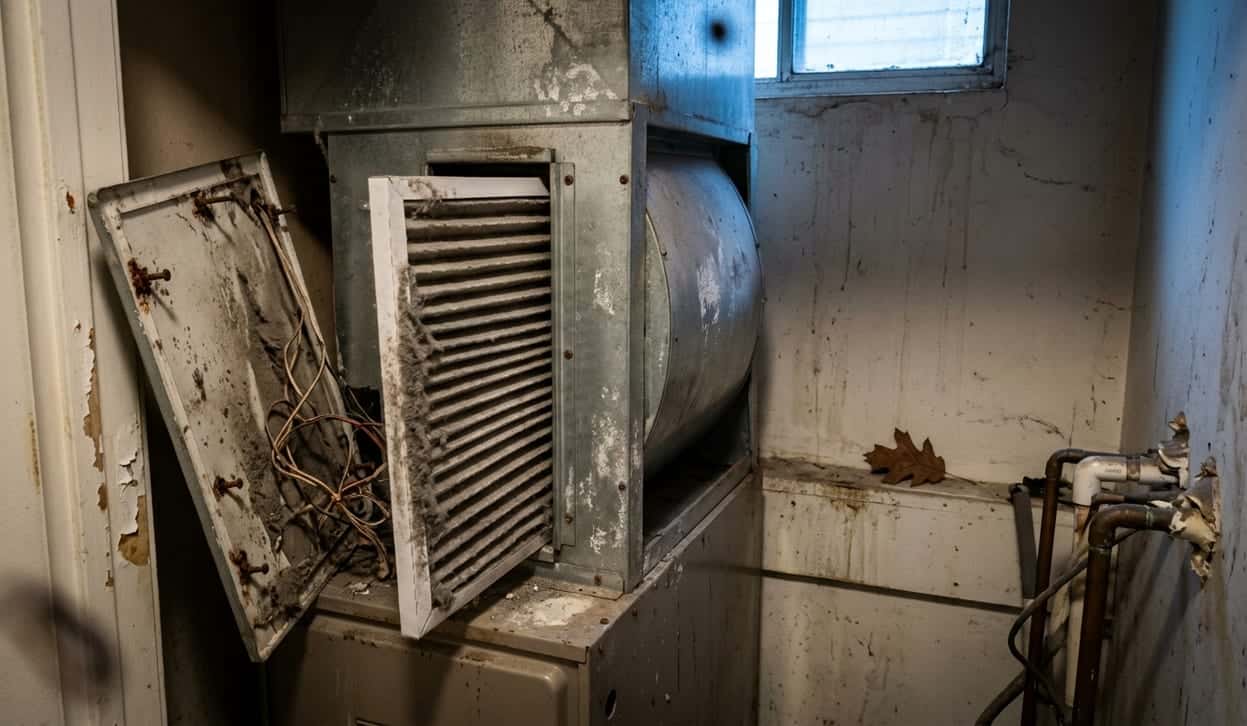
HVAC units in seed production spaces encounter heavy loads from dehumidification and precise cooling cycles. Compressors frequently wear out due to nonstop runtime, while evaporator coils collect residue that restricts airflow and triggers freezes, as noted by AMCA. Electrical connections loosen over time from vibration, causing intermittent faults that are difficult to trace without specialized tools. Filters clog faster than in standard commercial applications because of airborne particles from processing areas.
Addressing these issues early prevents cascading damage. Regular inspections of fan motors and belts reveal wear before it leads to sudden stops. Capacitors and contactors should be tested during every service visit, as they account for a large share of no-cool calls in high-duty settings.
Smart Ways to Pinpoint Problems
Accurate troubleshooting begins with reviewing system logs and sensor data rather than guessing at symptoms. Technicians measure static pressure across the ductwork and check refrigerant levels against manufacturer specifications to isolate whether the problem lies in the mechanical or control side. Thermal imaging helps locate hot spots in electrical panels without disassembly.
When a unit fails during peak demand, prioritizing which zones to restore first protects the most sensitive stock. This sequenced recovery method has resolved outages in under four hours in many documented cases. Keeping spare sensors and actuators on site further shortens downtime.
When to Swap Parts Instead of Fixing
Repair versus replacement choices depend on equipment age and repair history. A compressor nearing the end of its expected life cycle often warrants a full condensing unit swap to avoid repeated service calls. Upgrading to variable-speed blowers improves humidity control and reduces energy spikes during part-load conditions.
Arctic Enterprises offers guidance on selecting components rated for continuous operation in agricultural settings. Their recommendations emphasize corrosion-resistant coils and enhanced filtration options that align with the particulate challenges common in seed handling.
Building a Preventive Maintenance Schedule
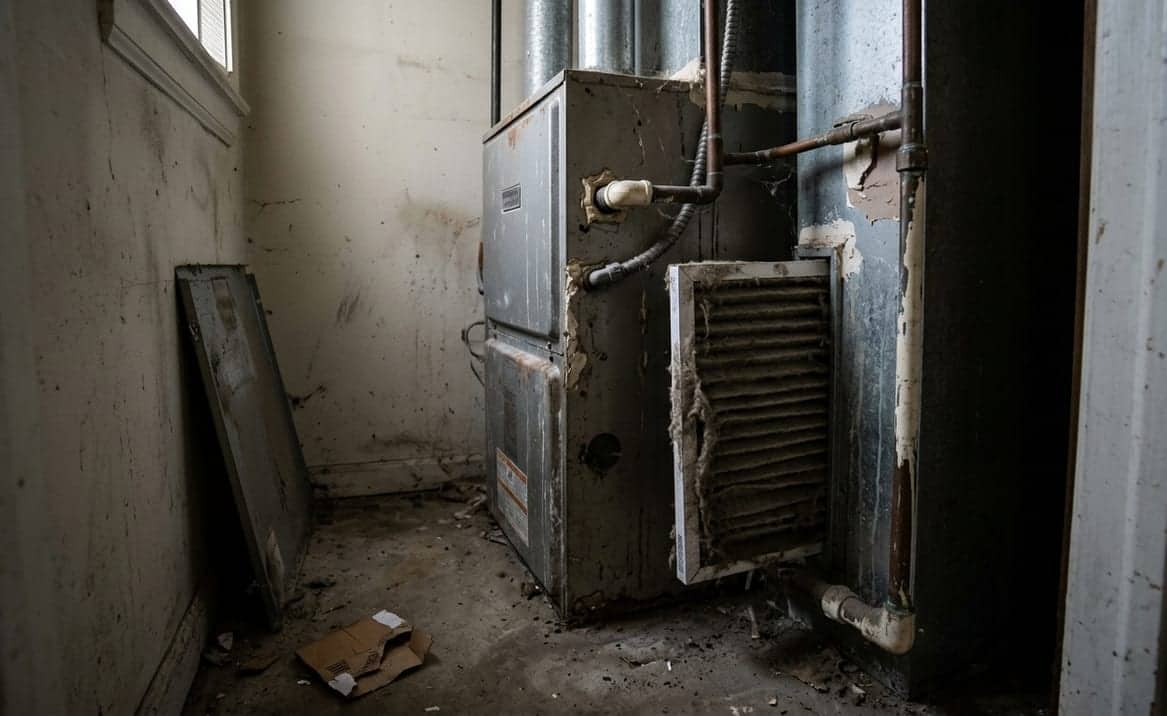
A structured plan reduces emergency repairs by addressing minor issues before they escalate. Quarterly coil cleaning, semi-annual electrical checks, and annual refrigerant analysis form the core of such programs. Documenting each visit creates a performance baseline that highlights gradual efficiency losses.
Staff training on basic filter changes and alarm response empowers teams to act quickly when sensors indicate deviation. This layered approach keeps systems running within tight tolerances required for seed viability.
Integrating Redundancy and Monitoring
Facilities benefit from backup units or cross-connected zones that activate automatically during primary failures. Smart controls with remote alerts notify operators of pressure drops or temperature swings before they reach critical thresholds. These additions transform reactive repairs into planned interventions.
Adding Monitoring Layers
Over multiple installations, systems equipped with these features show significantly lower annual repair costs and fewer crop losses. Planning redundancy during initial design or major retrofits delivers the strongest return.
Long-Term System Optimization
Beyond immediate fixes, reviewing overall airflow patterns supports sustained performance. Sealing duct leaks and balancing dampers ensures even distribution without overworking any single component.
Periodic energy audits by the U.S. Energy Information Administration identify opportunities to right-size equipment as business needs evolve. But don’t overlook insulation integrity either. Consistent application of these strategies has helped numerous operations maintain uninterrupted climate control across years of growth. Focusing on proactive care protects both equipment investment and product quality.