
Cannabis plants belong to a group that produces both male and female flowers on separate individuals in most cases. The females develop the seed-bearing structures after pollination, while males release pollen. This separation makes controlled crosses straightforward once a grower learns to identify the sexes early. Each plant carries two sets of chromosomes, and traits such as leaf shape or resin output pass from parent to offspring according to ordinary Mendelian patterns, though many characteristics involve multiple genes working together.
Basic Biology of the Cannabis Plant
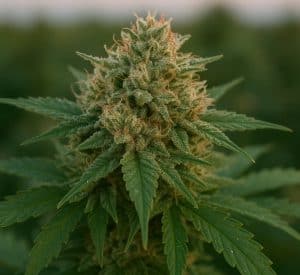
A single cannabis plant can produce thousands of seeds when pollinated, yet only a fraction will show the exact combination of features a breeder wants. The plant grows from seed to flower in a matter of months under natural light cycles. During flowering the female forms clusters of bracts that can hold varying amounts of glandular structures. Those structures contain the compounds that give different lines their scent and effect range. Because the plant is wind-pollinated in the wild, breeders must intervene by moving pollen by hand or by isolating plants in separate spaces to prevent random mixing.
Traits That Breeders Focus On
Breeders watch for several observable qualities when choosing parent plants. Flowering speed matters in regions with short summers, so earlier-finishing plants are often kept. Plant height affects how many can fit under lights or in a small greenhouse, leading to selection for shorter internodes. Resin coverage on the flowers and leaves is another common target because it influences harvest weight and processing ease. Some lines are chosen for resistance to common molds that appear in damp conditions. Others are selected for leaf color or branching pattern that makes training the plant simpler. These choices accumulate over generations because each selected plant contributes half the genes to the next cross.
Crossing and Early Selection
The first step in creating a new variety usually involves taking pollen from a chosen male and applying it to a chosen female. Seeds from that cross are grown out and evaluated. The grower looks at the group as a whole and keeps only those individuals that combine the wanted traits in reasonable strength. Many seedlings will show mixed results, with some plants taller than either parent and others weaker in resin. This variation is normal and provides the raw material for further selection. At this stage the grower discards plants that are clearly unsuitable rather than trying to improve them later.
Stabilizing Genetics Over Generations
Once promising plants appear, the work shifts to increasing uniformity. One common approach is to cross selected siblings back to one of the original parents or to each other repeatedly. Each round reduces the range of differences among the offspring. After four or five generations of this repeated selection the line begins to produce seedlings that look and perform more alike. Another route is to self-pollinate a single female that has been treated to produce pollen, which can speed the process when only one strong individual is available. The goal is not complete sameness, since living plants always carry some variation, but enough consistency that a grower can expect predictable results from seed.
Some breeders also use backcrossing, where an offspring is crossed repeatedly to one strong parent line. This technique brings most of the genes back toward the original parent while adding one or two desired features from the other side. It works well when the goal is to add mold resistance to an already stable line without changing flavor or growth speed too much.
Points for Growers and Researchers
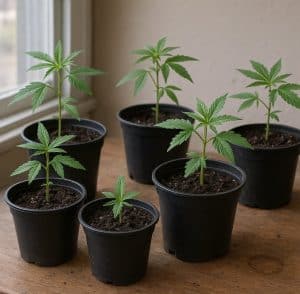
Anyone starting with seeds should expect that the first crop will contain noticeable differences among the plants. Keeping detailed notes on each plant through the full cycle helps identify which ones to use for the next round. Environmental conditions such as temperature swings or nutrient shortages can mask genetic potential, so stable growing conditions make selection more reliable. Maintaining more than one breeding line at a time provides backup if disease or other problems strike a single group. Over time the accumulated selections produce varieties that perform better under the conditions the grower can actually provide.
A short list of routine checks can help keep records clear:
– Note the date each plant shows first flowers
– Measure height at the start of flowering and again at harvest
– Record any visible signs of stress or mold
– Save seeds only from plants that meet the main targets
These steps do not guarantee perfect results, yet they reduce wasted effort and make the direction of each generation easier to follow.