
Running a small CBD seed business involves juggling lots of technical details. Electrical systems play a big role in keeping indoor grows stable and productive. These setups need steady power for lights, fans, humidity control, and pumps. Skip careful planning and you risk downtime, bigger bills, or safety issues that hurt the plants and cut into output. One overlooked item can stop a whole cycle cold.
Working Out Power Requirements for Equipment
Growing CBD seeds indoors usually means LED or high-intensity discharge lights that stay on for long stretches every day. A basic layout might pull several hundred watts per square meter just for the lighting. Throw in exhaust fans, dehumidifiers, and irrigation pumps and the total demand climbs fast into the thousands of watts. Start by listing every piece of gear, check its wattage, and tack on at least a twenty percent buffer. That number tells you whether the current panel can handle the load or if an upgrade is needed.
Small additions add up before you know it. Add a dehumidifier or another circulation pump and the whole thing can tip over later. Build in that extra margin from the start and you leave room to grow without ripping out the wiring again.
Picture lights and fans near capacity. One extra pump shuts the room down mid grow. Recovering from the halt wastes time and puts the plants at risk.
Balancing Circuits and Planning the Layout
Spread the load across separate circuits so nothing gets overloaded. Give lighting, ventilation, and outlets their own lines. That makes it simpler to track down problems when they pop up. Dedicated runs for the big-draw items also cut the chance of breakers tripping at the worst times. Label the panels and outlets clearly and maintenance goes quicker while staff knows exactly which switch does what.
The layout isn’t only about avoiding overloads. It decides how fast anyone can react when something breaks at 2 a.m.
A tripped line during dark hours leaves plants stretching before anyone notices. Sorting it out overnight drags the downtime out further.
Following Safety Rules and Codes
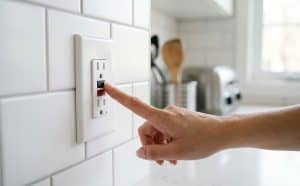
Work in grow spaces has to meet national electrical codes from ANSI on wiring, grounding, and moisture protection. Damp air is normal in these rooms and that raises the odds of shorts or corrosion, so use fixtures and conduits built for wet conditions. Outlets near water need ground-fault protection. Routine checks catch frayed cords or loose connections before they turn into fires or ruined equipment.
Humidity is kept high on purpose. That constant moisture makes regular outlets risky much sooner than expected.
Over time the moisture works into every connection and starts corrosion that weakens the flow. One weak spot can lead to heat buildup or worse in the middle of a busy period.
Bringing in Licensed Electricians
Plenty of owners try basic wiring on their own. Anything involving new panels or three-phase power needs someone with a license. A pro can size the service entrance, suggest upgrades, and make sure everything passes inspection. They also know how to add backup generators or batteries so power stays on during outages. For help with these kinds of commercial installs, contact Masters Electric. Their background with high-load setups keeps owners from running into the usual headaches and keeps power steady.
Doing it yourself might seem cheaper upfront. Then an inspector rejects the work or a breaker trips under load and the bill ends up higher anyway.
Monitoring Usage While Scaling Up
Submeters on the main circuits give live numbers on what each area is drawing. Those readings show which machines use the most power and point out where efficiency gains are possible. As the operation grows, the records help decide when upgrades make sense. Check the system once a year with an electrician so it stays within safe limits as new gear comes in. Consult NRECA for more direction.
Those logs reveal patterns you won’t spot on a monthly bill. They also make it easier to explain cost increases to partners or map out the next growth step.